
Network Packet Broker, Network Traffic Capture, Network Traffic Monitoring Meta Description: Learn why a Network Packet Broker is essential for reliable network traffic capture and robust network traffic monitoring. Solve traffic‑capture pain points including packet loss, data overload, encryption blind spots and incomplete forensic evidence for enterprise data‑center security and performance observability. Reference source: https://www.mylinking.com/news/why-do-you-need-the-network-packet-broker-for-your-network-monitoring-and-security/
○ Network traffic monitoring is the continuous process of capturing, analyzing, and managing data flows across a network to identify performance problems, security threats, and unauthorized data movement before they escalate.
○ Three primary collection methods exist: packet capture, flow monitoring (metadata summaries of traffic between endpoints), and log analysis from routers, firewalls, and servers.
○ From a data security standpoint, network traffic monitoring is one of the primary mechanisms for detecting data exfiltration, lateral movement, and insider-driven data transfers that bypass perimeter controls.
○ Network traffic monitoring alone does not reveal what sensitive information moved or why. Pairing it with data lineage and behavioral analysis provides the context investigations often require.
1. Introduction: The Hidden Gap Between Traffic Capture and Reliable Network Traffic Monitoring
Network traffic monitoring forms a cornerstone of modern enterprise cybersecurity and IT operations. As defined in network‑security industry resources, network traffic monitoring is the continuous process of capturing, classifying, baselining, and analyzing data flows across physical, virtual and cloud infrastructure to detect performance anomalies, data exfiltration, insider threats and lateral movement inside data‑center fabrics. Three mainstream traffic‑collection approaches support this work: full packet capture, flow‑metadata collection (NetFlow / IPFIX / sFlow), and device‑log aggregation from firewalls, routers and switches.
Many organizations mistakenly assume that enabling SPAN port mirroring or deploying passive network TAPs is sufficient for high‑quality network traffic capture. In real‑world hybrid‑cloud and high‑speed 10G‑100G environments, raw captured traffic alone cannot deliver consistent, actionable insights for network traffic monitoring. Unfiltered raw feeds bring severe challenges: packet loss under traffic bursts, duplicated packets from overlapping capture points, overwhelming data volume, un‑decapsulated overlay tunnel traffic, and encrypted‑traffic blind spots that hide threat activity.
This article explains why adding a Network Packet Broker between your traffic‑capture sources (SPAN ports, physical TAPs, virtual TAPs) and monitoring/security tools is non‑negotiable. A Network Packet Broker is purpose‑built hardware visibility middleware that optimizes network traffic capture before data reaches analysis platforms, ensuring that your network traffic monitoring pipeline receives clean, relevant, complete and time‑synchronized packet data for performance troubleshooting, threat hunting and digital forensics. We will break down common capture‑related monitoring pain points, core NPB technical capabilities, real‑world deployment use‑cases and measurable operational outcomes.
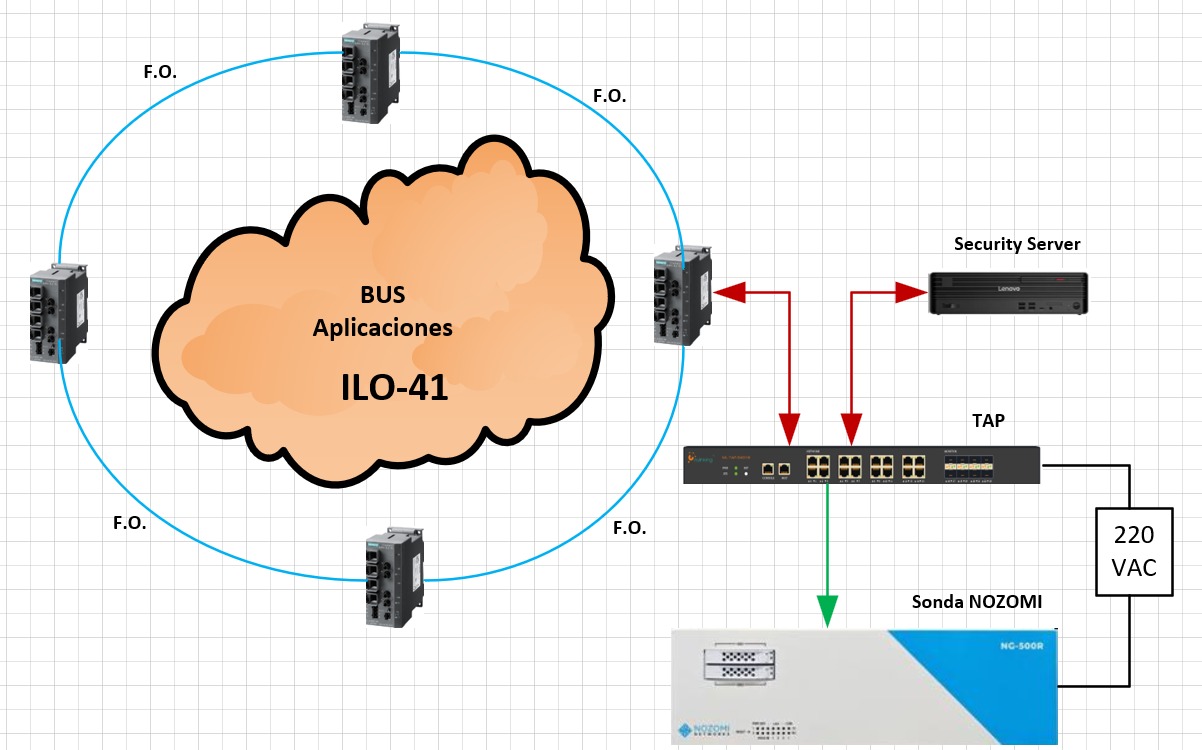
2. Common Pain Points in Native Network Traffic Capture Without a Network Packet Broker
Monitoring tools capture traffic using one of three primary techniques:
○ Packet capture: Tools intercept and record individual data packets crossing a network interface. This method provides the highest fidelity view of traffic, including application-layer content, but generates large data volumes and requires significant storage and processing capacity.
○ Flow monitoring: Protocols such as NetFlow, sFlow, IPFIX, and J-Flow export metadata summaries of traffic flows: source and destination IP addresses, ports, protocols, byte counts, and timestamps. Flow data is far smaller than full packet captures and scales to high-volume enterprise networks, but it does not include packet payload content.
○ Log analysis: Routers, Firewalls, Switches, Load Balancers, and Servers generate logs that record connection events, rule matches, and errors. Log analysis complements packet and flow data by providing the policy and configuration context that raw traffic data lacks.
Effective network traffic monitoring stands or falls on the quality of network traffic capture. If captured packets are incomplete, noisy, duplicated or mal‑formatted, downstream monitoring systems will produce false positives, miss real threats, or fail forensic reconstruction after security incidents — even if you have invested in premium monitoring software and sensors. Below are six pervasive pain points of SPAN‑only or direct‑TAP‑to‑tool capture architectures:
2.1 Packet loss and incomplete capture under peak‑traffic conditions
SPAN port mirroring is a secondary switch function; production forwarding always gets priority. During traffic spikes, SPAN sessions drop mirrored packets first. This creates dangerous gaps in network traffic capture exactly when monitoring needs full visibility: DDoS surges, ransomware lateral spread, large‑scale data exfiltration, or application outages. Passive TAPs capture physical‑layer frames reliably, yet direct TAP‑to‑tool wiring offers no congestion control. When multiple high‑speed links feed one monitoring appliance, ingress buffer overflow still causes packet loss, corrupting your network traffic monitoring datasets.
2.2 Massive traffic volume overload leading to alert fatigue
Modern data centers generate terabytes of daily network flows. When you forward every captured packet directly to monitoring tools without pre‑processing, these platforms waste CPU, memory and storage processing large volumes of low‑value background traffic. As documented in network‑security research, volume overload is one top challenge for network traffic monitoring, creating alert fatigue for SecOps teams who struggle to isolate genuine threat signals inside massive noise. Many organizations are forced to enable aggressive sampling, which sacrifices full‑packet fidelity for high‑risk segments such as internet borders and payment‑processing VLANs.
2.3 Duplicate packets from multi‑point capture
Large‑scale monitoring deployments collect traffic from many distributed switch and router locations. Overlapping capture sources generate identical duplicate packets. These redundant copies do not add monitoring value but inflate traffic volume, skew bandwidth‑utilization statistics, increase storage consumption and trigger misleading anomaly alerts within network traffic monitoring pipelines.
2.4 Tunnel‑encapsulation blind spots for virtual‑fabric east‑west flows
VXLAN, GRE, MPLS and GTP overlay tunnels dominate virtualized data‑center traffic. Raw network traffic capture delivers full encapsulated frames, but many monitoring tools cannot parse outer tunnel headers. Consequently, east‑west lateral‑movement traffic — the source of most post‑breach damage — becomes invisible for network traffic monitoring workflows, even though packets are physically captured correctly.
2.5 Missing unified timestamps for cross‑segment forensics
For incident response, network traffic monitoring requires correlating events collected from different physical network segments. Under native capture architectures, each switch, sensor and monitoring tool applies its own local timestamp. Without synchronized nanosecond‑accurate marking applied at capture time, SecOps cannot reliably reconstruct attack timelines, making forensic investigation slow or incomplete after data‑exfiltration or insider‑threat events.
2.6 Inflexible traffic distribution across multi‑tool monitoring stacks
Modern network traffic monitoring environments operate multiple parallel tools: NPM for performance metrics, IDS/NDR for threat detection, DLP for compliance audit, and packet recorders for forensics. Direct SPAN or TAP capture either sends identical raw traffic to every tool (wasting bandwidth) or requires manual re‑cabling whenever tool requirements change. SPAN ports also have strict session‑count limits on most enterprise switches, restricting how many destinations can receive mirrored traffic simultaneously.

3. How a Network Packet Broker Improves Network Traffic Capture to Empower Network Traffic Monitoring
A Network Packet Broker sits in‑line within your visibility pipeline, receiving raw network traffic capture outputs from TAPs and SPAN sources. Using hardware‑accelerated processing, it cleanses, transforms and intelligently distributes traffic feeds, so each downstream monitoring tool receives precisely the subset of captured data that matches its purpose. Below we map NPB capabilities directly to the network traffic‑monitoring challenges listed above.
3.1 Aggregation, replication and intelligent many‑to‑many traffic distribution
The foundational value of a Network Packet Broker for network traffic capture is flexible many‑to‑many traffic orchestrations. It aggregates captured flows coming from dozens of distributed TAP and SPAN sources into a centralized processing point. The same captured traffic can be replicated and forwarded to multiple monitoring tools in parallel without consuming additional switch SPAN sessions. You can send full‑payload high‑risk border traffic to threat‑hunting NDR tools, while sending header‑only sampled streams to capacity‑planning NPM platforms. This eliminates constant physical recabling and maximizes return‑on‑investment for your network traffic‑monitoring tool stack.
3.2 Hardware‑based deduplication to remove redundant captured packets
The NPB compares packets from multi‑source network traffic capture using configurable matching keys including source/destination IP, port numbers and TCP sequence identifiers. Duplicated packets generated by overlapping capture points are dropped at line‑rate before traffic leaves the NPB egress ports. Real‑world deployments report 40–60 % reduction of traffic volume sent to monitoring systems. With duplicate noise removed, network traffic monitoring platforms generate more accurate bandwidth statistics and reduce false‑positive anomaly alerts, letting SecOps focus on genuine threat patterns.
3.3 Multi‑dimensional filtering and policy‑based packet slicing to reduce data volume
Instead of sending every captured byte to monitoring tools, the Network Packet Broker applies granular filtering rules based on L2‑L7 packet attributes: Ethernet type, VLAN tags, IP seven‑tuple, TCP flags, and custom packet‑offset signature matching. Operators filter out low‑priority background traffic before forwarding data, easing tool load. For network traffic monitoring use‑cases that only require header metadata for trend analysis and latency measurement, policy‑driven packet slicing truncates full payloads and forwards only header segments (64‑1518 bytes configurable). Packet slicing can cut downstream bandwidth consumption by up to 90 %, while administrators keep full‑packet capture enabled selectively for high‑security segments such as DMZ and payment VLANs. This solves the classic trade‑off between full‑fidelity capture and prohibitive storage costs for network traffic monitoring.
3.4 Hardware tunnel decapsulation eliminates virtual‑network monitoring blind spots
For captured VXLAN, GRE, ERSPAN, MPLS and GTP tunnel traffic, the Network Packet Broker performs hardware‑accelerated header‑stripping at line‑rate. After decapsulation, inner original‑payload packets are forwarded to monitoring tools. This critical feature makes east‑west virtual‑fabric traffic visible for network traffic monitoring, allowing security teams to detect lateral‑movement ransomware, cross‑VM data exfiltration and insider threat activity inside overlay‑network environments. Without NPB‑assisted decapsulation, even perfect raw network traffic capture cannot reveal these inner‑flow threats.
3.5 Nanosecond‑precision hardware timestamping for unified forensic context
A Network Packet Broker synchronizes its internal clock to enterprise NTP servers and embeds nanosecond‑resolution timestamps directly onto every captured packet frame. All traffic collected from disparate network segments gets identical time metadata before delivery to network traffic‑monitoring platforms. When security incidents or network outages occur, SecOps and NetOps teams can correlate packet records from different links reliably, shortening mean‑time‑to‑investigate (MTTI) and producing admissible forensic evidence for post‑breach analysis. This addresses a known limitation of native capture workflows described in network‑monitoring best‑practice documentation: inconsistent timestamps break cross‑segment event correlation.
3.6 Load balancing and media‑rate conversion to support mixed‑speed monitoring tools
Many enterprises run 100G‑class core networks while retaining legacy 1G /10G monitoring appliances. The Network Packet Broker acts as both speed shaper and media converter for captured traffic. Session‑aware load‑balancing algorithms distribute high‑volume captured flows evenly across clusters of lower‑speed monitoring‑tool interfaces, preventing tool‑port over‑subscription and packet loss. This capability preserves existing network traffic‑monitoring hardware investment and avoids forced premature upgrades when core‑network bandwidth increases.
4. Real‑World Use‑Cases: NPB‑Enhanced Traffic Capture for Network Traffic Monitoring
4.1 Security‑oriented network traffic monitoring: Detect exfiltration and lateral movement
For security monitoring scenarios, full‑fidelity network traffic capture processed by a Network Packet Broker delivers filtered, decapsulated traffic feeds to IDS/NDR platforms. Deduplication removes noise; tunnel‑header‑stripping reveals east‑west threat flows; timestamping supports incident reconstruction. SecOps teams gain reliable visibility for detecting data exfiltration, unusual large‑volume outbound transfers and insider‑threat behaviour — key objectives of security‑focused network traffic monitoring.
4.2 Performance‑focused network traffic monitoring: Bandwidth, latency and fault troubleshooting
NetOps teams leverage NPB‑optimized network traffic capture for performance monitoring workflows. Filtering and slicing reduce unnecessary payload volume sent to NPM and APM tools. Aggregation consolidates multi‑link captured traffic for end‑to‑end bandwidth and jitter analysis. Load‑balancing prevents tool‑interface saturation. Operators gain accurate metrics for baseline‑building, anomaly detection and application‑latency troubleshooting without being overwhelmed by full‑packet payload data.
4.3 Forensic‑ready network traffic capture for compliance requirements
Regulated industries (finance, healthcare) need network traffic monitoring outputs that satisfy audit requirements. The Network Packet Broker delivers timestamp‑synchronized capture streams, supports sensitive‑data masking to redact PII / PHI inside captured packets before forwarding to monitoring systems, and can export standardized NetFlow / IPFIX flow records alongside full‑packet data. These outputs support long‑term retention requirements for forensic investigation and regulatory audits.
Common Monitoring Protocols
| Protocol | Type | What It Captures |
|---|---|---|
| NetFlow / IPFIX | Flow | Source/destination IPs, ports, protocols, bytes, duration |
| sFlow | Flow | Sampled packet and interface statistics |
| SNMP | Polling | Device health, interface counters, bandwidth utilization |
| ICMP | Diagnostic | Reachability, latency, packet loss |
| Deep packet inspection | Packet | Full packet content including application-layer payloads |
5. Network Packet Broker as the Foundational Layer for Trustworthy Network Traffic Monitoring
Network traffic monitoring cannot achieve its core goals — performance troubleshooting, threat detection, insider‑risk identification and digital forensics — without high‑quality network traffic capture. Relying purely on SPAN mirroring or direct passive‑TAP connections creates avoidable risks: packet loss under load, duplicated‑packet noise, tunnel‑traffic blind spots, inconsistent timestamps and tool‑overload‑driven sampling that erodes capture fidelity.
Deploying a Network Packet Broker in your visibility pipeline solves these root‑level capture‑architecture problems. By aggregating multi‑source network traffic capture feeds, performing hardware‑accelerated deduplication, filtering, slicing, tunnel decapsulation and precision timestamping, the NPB ensures that your network traffic‑monitoring tools receive clean, complete and context‑rich data. This improves anomaly‑detection accuracy, reduces alert fatigue, extends the service life of existing monitoring hardware and delivers reliable forensic evidence for security‑incident response.
Organizations building or upgrading their network‑visibility strategy should evaluate a purpose‑built Network Packet Broker not as an optional accessory, but as a core building‑block to turn raw network‑traffic capture into actionable, trusted network traffic‑monitoring outcomes for modern hybrid‑cloud data‑center environments.
If you want to dive deeper, review industry resources on network‑traffic‑monitoring fundamentals: https://www.mylinking.com/news/why-do-you-need-the-network-packet-broker-for-your-network-monitoring-and-security/
Post time: Oct-08-2026


